
A straightforward guide to EV batteries for used-car buyers
If you’re thinking about buying a second-hand electric vehicle (EV), you might have a few questions, and let’s be honest, most of them probably centre around the battery. After all, the battery is the beating heart of an EV, so it’s important to understand a bit about it before you take the plunge. Don’t worry, though, we’re here to break it all down for you in simple terms.
Think of an EV battery like the petrol tank in a traditional car, it stores the energy needed to power the motor and get you where you need to go. However, instead of petrol or diesel, EV batteries use electricity, which is much kinder to the planet and your wallet when it comes to running costs.
How long do EV batteries last?
This is probably the number one concern for most buyers – but the good news is EV batteries are built to last. Most manufacturers offer warranties of around 8 years or 100,000 miles on the battery, but they can last much longer with proper care. Many EVs on the road today have batteries that are still going strong after a decade.
Like anything else, though, EV batteries do degrade over time. This doesn’t mean they stop working, but their capacity to hold a charge will reduce – a bit like how your phone battery might not last as long as it did when it was new. On average, you can expect a drop of 2-3% per year, so a 5-year-old EV might have 85-90% of its original battery capacity.
What affects battery life?
Several factors can influence how well an EV battery ages. Here are the big ones:
1. Charging habits: Rapid charging is convenient but can be harder on the battery over time. Slow or ‘trickle’ charging is gentler and helps prolong battery life.
2. Driving style: Aggressive acceleration and high speeds drain the battery more quickly, which can lead to faster wear.
3. Temperature: Extreme heat or cold can affect battery performance. Luckily, most EVs are equipped with thermal management systems to help keep the battery at an optimal temperature.
How far can you go on a single charge?
This depends on the EV model and, of course, the battery. Newer EVs often boast ranges of 200-300 miles per charge, but older or smaller models might offer less, typically around 100-150 miles. Before buying, think about your usual journeys. If you mostly do short trips or have access to regular charging, even a lower-range EV could suit you perfectly.
Are there ways to check battery health?
Absolutely! Most EVs come with a built-in system that displays the battery’s state of health which shows you how much capacity the battery has compared to when it was new. If you’re buying from a dealer, they should be able to provide you with this information, but for extra peace of mind, consider having a professional inspection done to check the battery’s condition.
What About Charging?
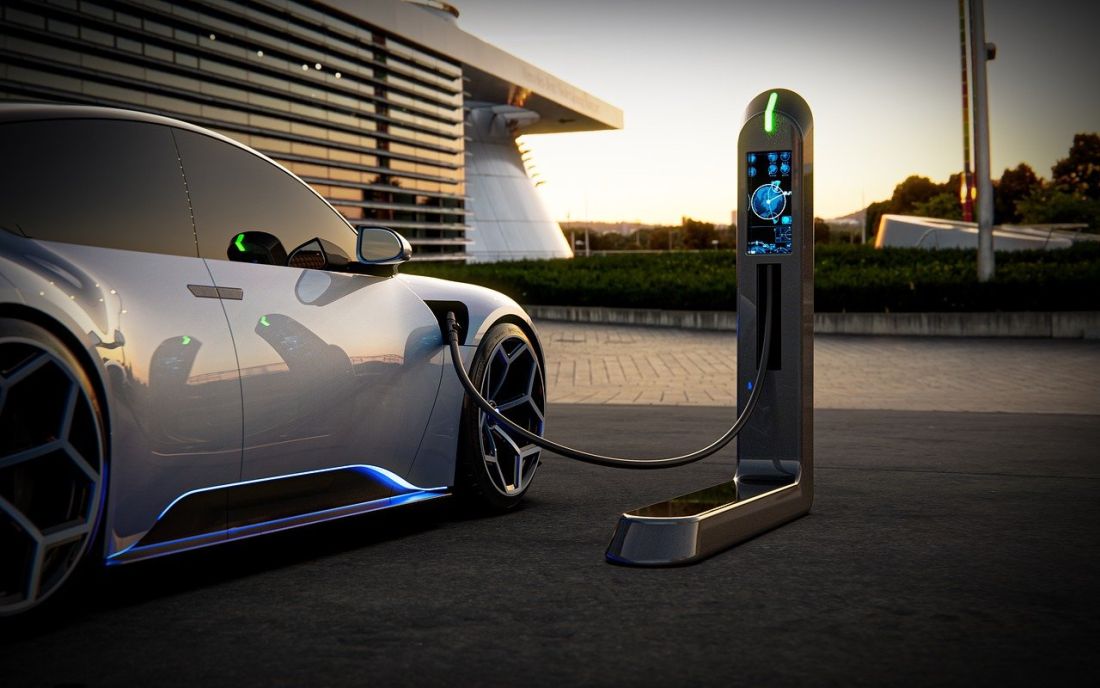
Charging an EV is simpler than you might think - you can plug in at home using a standard three-pin socket, but installing a dedicated home charger is much faster and more efficient. If you’re out and about, public charging points are becoming more common, so you’ll find them in car parks, at supermarkets, and even at service stations. Be aware, however, that public chargers come in different speeds:
- Rapid chargers: These can top up your battery to 80% in as little as 30 minutes.
- Fast chargers: These usually take a few hours for a full charge.
- Standard chargers: Great for overnight charging but take longer.
Are EV batteries expensive to replace?
Replacing an EV battery isn’t cheap, it can cost thousands of pounds, but you’ll probably never need to replace the battery. Most EVs are designed so that their batteries last the lifetime of the car. Plus, battery technology is improving all the time, so costs are likely to come down in the future.
Why buy a second-hand EV?
Second-hand EVs can be a brilliant option because they’re often much cheaper than new models, and you still get many of the same benefits - low running costs, smooth and quiet driving, and no more trips to the petrol station. Plus, buying used is a more sustainable choice, helping to reduce waste and extend the life of a vehicle.
Final thoughts
Buying a second-hand EV doesn’t have to be daunting, with a bit of research and a few key questions, you can drive away confident that you’ve made a great choice. Whether it’s for your daily commute, the school run, or weekend road trips, there’s an EV out there to suit your needs.
Still have questions? Pop in and see us -we’re always happy to chat about electric vehicles and help you find the perfect match.